Goldau Nature and Animal Park
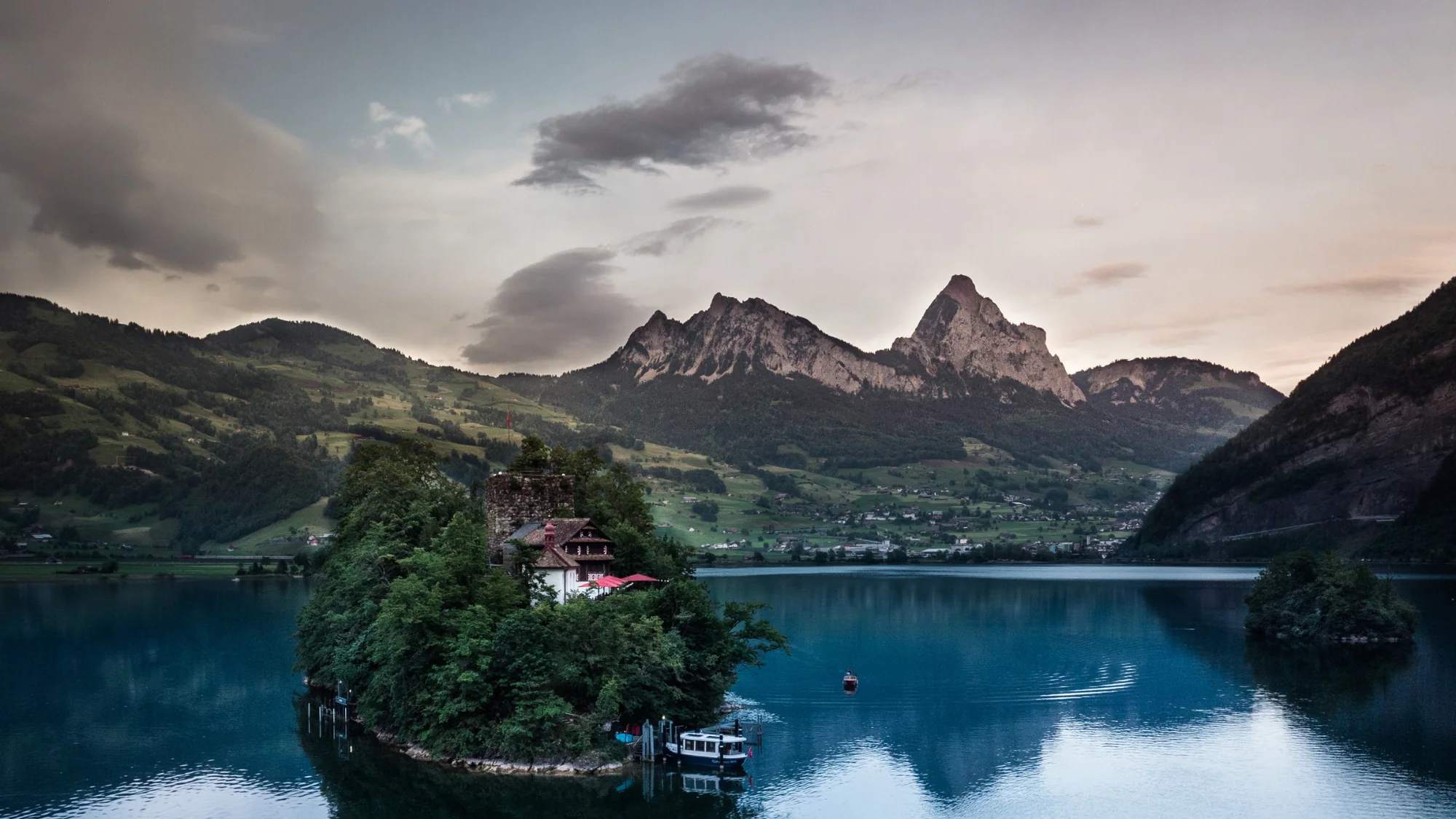
In 1806 vast masses of rock thundered down from the Rossberg into the valley and buried Goldau. Today a unique forest grows on the debris, and in it the Goldau nature and wildlife park has shown animals of the Alpine region since 1925, one of the most popular family outings in central Switzerland.
Highlights of the wildlife park
- Bear and wolf enclosure: since 2009 brown bears and wolves have shared one spacious enclosure.
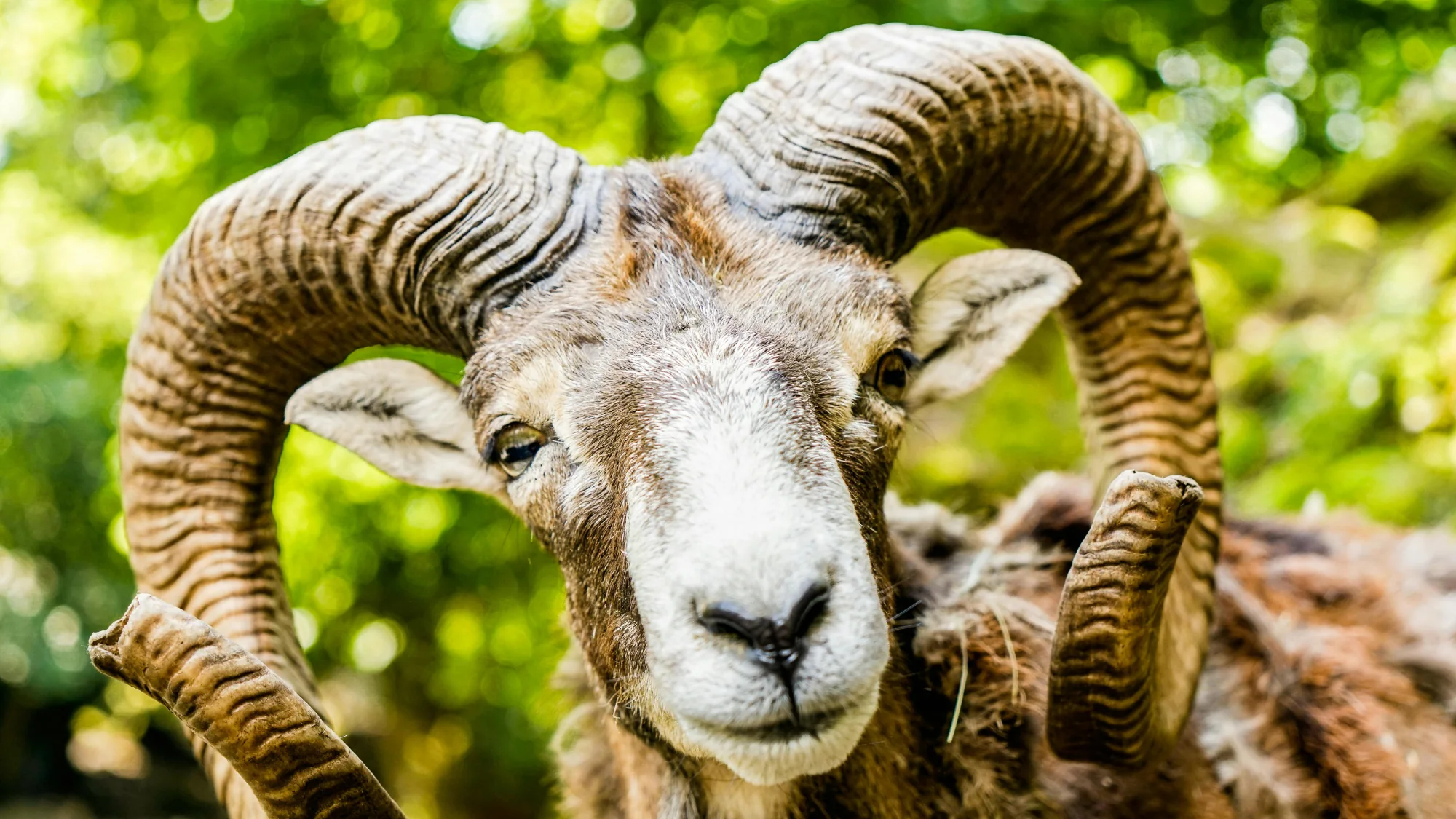
- Free-roaming zone: sika deer and mouflon wander freely among the visitors and can be fed by hand.
- Around 100 species on 42 hectares: lynx, ibex, bison, bearded vulture, otter and many more.
- Adventure world for children: large playgrounds, a petting zoo and themed trails.
- The rockslide experience: information boards and viewpoints tell the story of the 1806 disaster.
A wildlife park on a rockslide
On the morning of 2 September 1806 an enormous mass of rock broke away from the Rossberg and swept into the valley. It buried Goldau and other settlements and cost more than 450 lives. It is one of the worst natural disasters in Swiss history, and it has shaped the landscape to this day.
Over the decades a forest grew on the debris, with boulders, hollows and caves unlike almost anywhere else. It was precisely into this terrain that the wildlife park was built from 1925 onwards. The enclosures make use of the natural rock formations, so a walk around the park is at the same time a walk through the rockslide area. Boards along the way explain what happened in 1806.
Animals of the Alpine region
The park deliberately concentrates on native and European species. Bears and wolves share a large enclosure, where you can watch how the two species avoid or encounter one another. Lynx, ibex, bison, bearded vultures and otters also live in the park.
For children the free-roaming zone is the highlight: sika deer and mouflon move freely among the visitors and will take food from the dispensers out of your hand. If you like, plan your visit around one of the feedings, which take place at intervals through the day.
Practical information
The park is open all year round. The entrance is a few minutes' walk from Arth-Goldau station. There is a restaurant and there are picnic areas.
Allow at least three hours for the walk around, or with children more like half a day to a full day. The grounds are hilly and steep in places, so sturdy shoes make sense. A visit is worthwhile in winter too: it is much quieter, and many animals are especially active in the cold season.
The park sees itself not just as a day-trip destination but also as a place of education and species conservation. It takes part in breeding programmes for endangered species and, through exhibitions and guided tours, explains how wild animals and people live side by side in the Alpine region. If that interests you, plan your visit for a day with a guided tour.
Tip: Combines perfectly with the Rigi: the valley station of the Arth-Rigi railway is right beside the railway station.
Getting there
Public transport: Train to Arth-Goldau; the park entrance is signposted and a few minutes away on foot.