The wolf is back
The wolf in the Canton of Schwyz
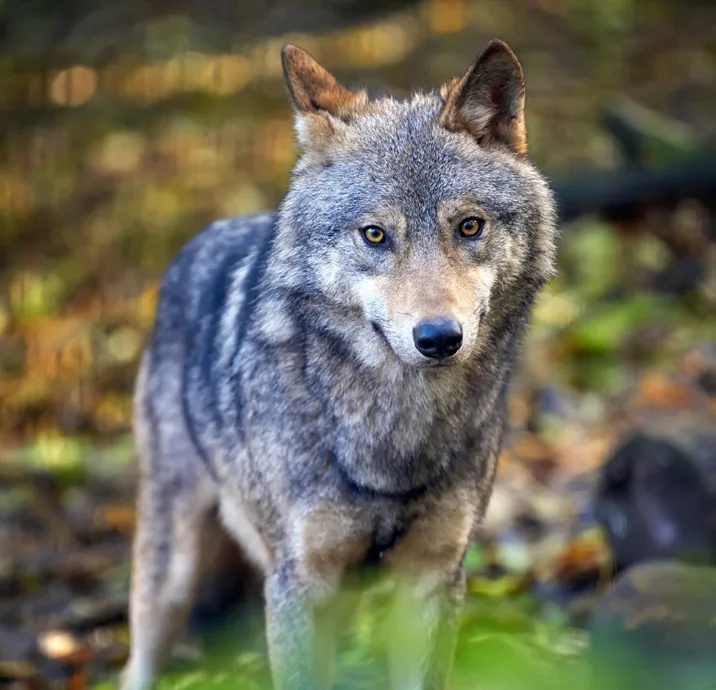
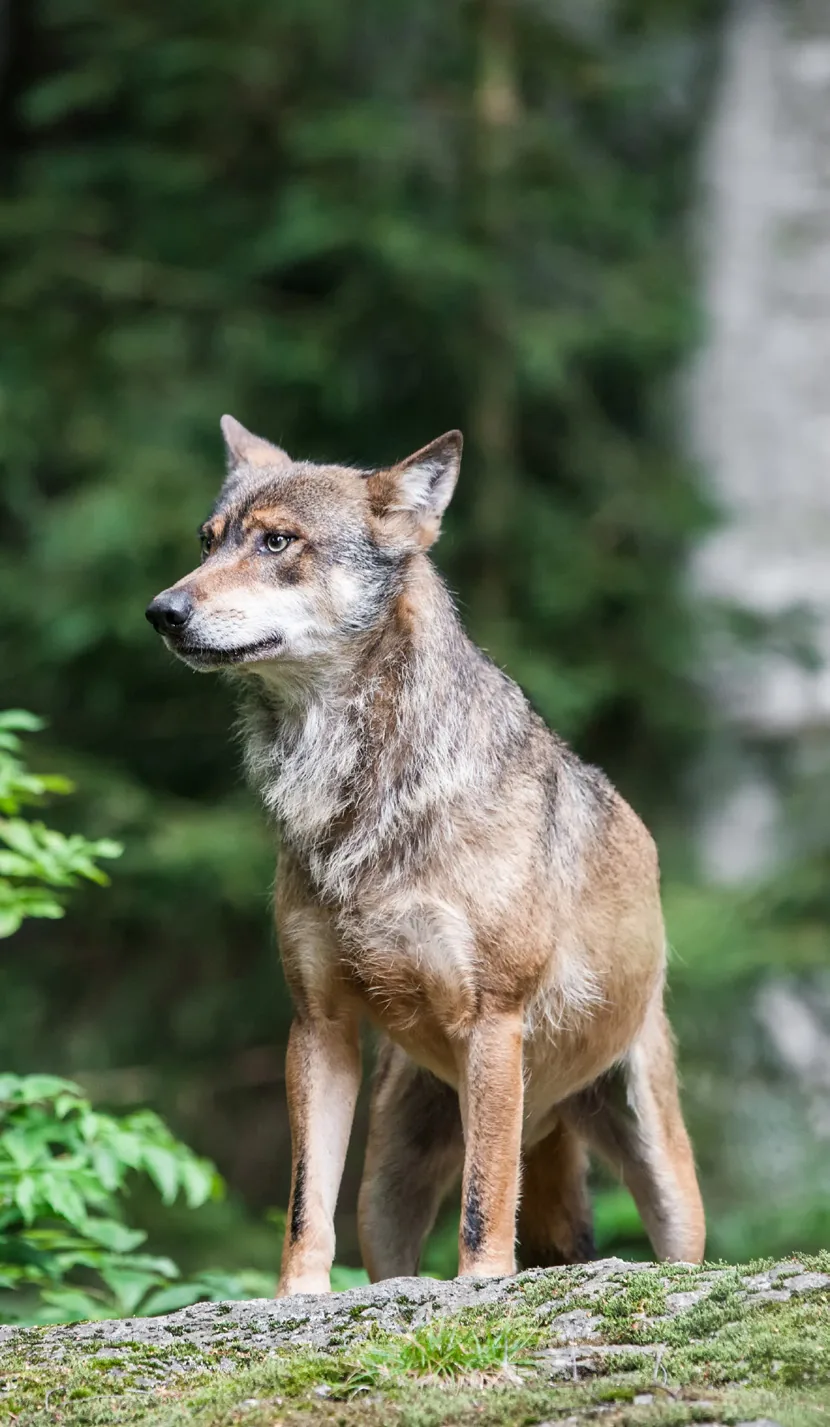
A camera trap at the edge of the forest, set up by the cantonal game wardens. The image shows an animal that pauses briefly, turns its head and then vanishes into the undergrowth. Municipality of Vorderthal. It is one of hundreds of such records from recent years, and they all tell the same story: the wolf has arrived in the Canton of Schwyz.
For many that may come as a surprise. The wolf is thought of as an animal of the remote Alpine valleys, not of the March or the Innerthal. Yet the wolf sightings are mounting, the geographical spread is far wider than assumed, and the numbers are rising markedly from year to year.
What exactly is the wolf?
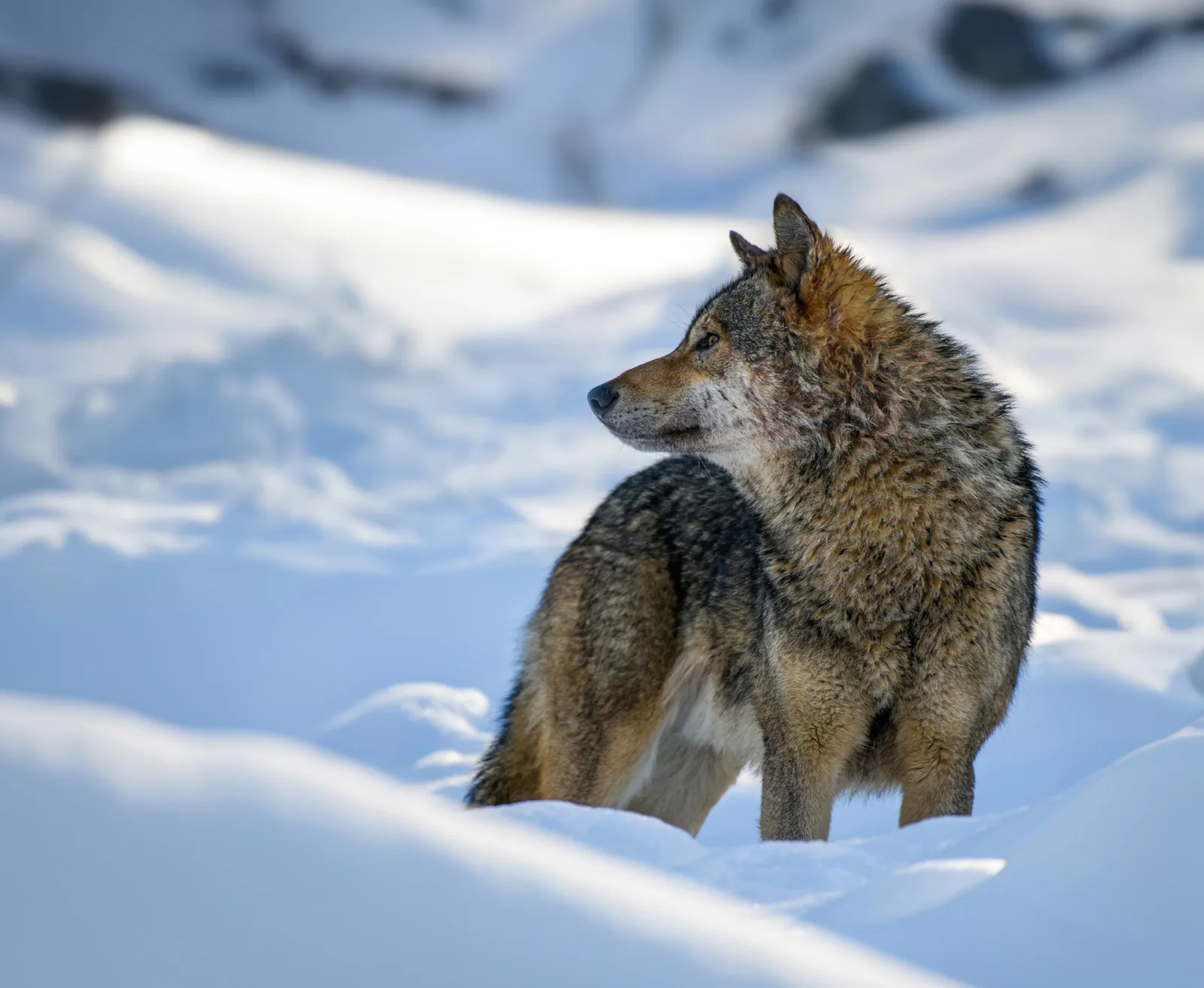
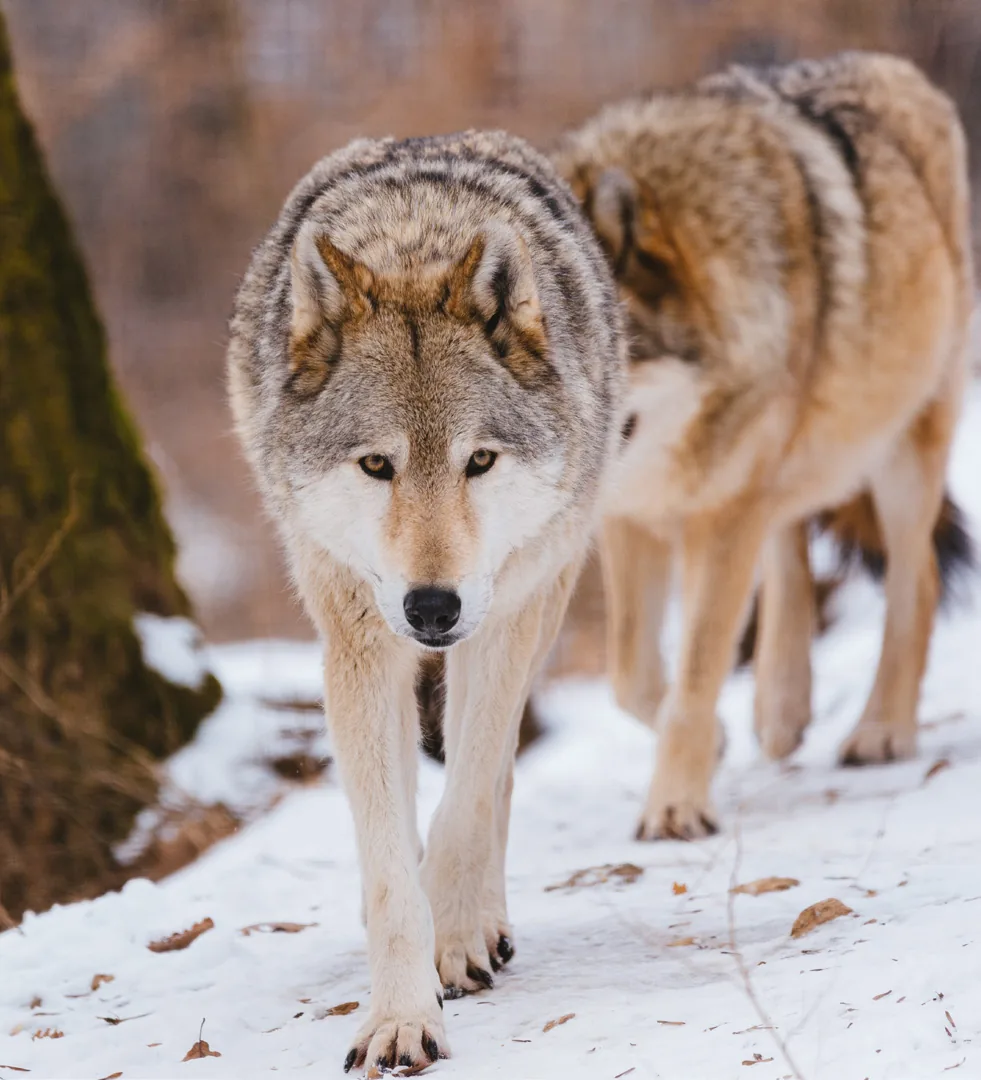
The wolf (Canis lupus) is the largest wild canine mammal in Europe. Adult animals weigh between 30 and 50 kilograms. Wolves live in family groups known as packs, usually of five to ten animals. As a predator the wolf stands at the top of the food chain and feeds mainly on roe deer, chamois and wild boar.
Its range can cover several hundred square kilometres; distances of 50 to 70 kilometres in a night are not unusual. As a rule the wolf consistently avoids people; direct encounters are rare and almost always pass without incident.
From extermination to return
The wolf had vanished from Switzerland for more than a century. In the nineteenth century it was systematically hunted; the last confirmed specimen was shot in 1872 in the Valais. The return began in 1995, when a wolf was recorded in Graubünden for the first time again, having migrated from the Italian Apennines. Today Switzerland counts around 30 confirmed packs.
Legally the wolf is protected by the Hunting Act and by international agreements such as the Bern Convention. Under certain conditions the cantonal authorities can grant culling permits, for instance when an animal repeatedly kills livestock.
The wolf in the Canton of Schwyz – the figures
Between the beginning of 2023 and February 2026, 248 wolf events were officially recorded in the Canton of Schwyz, 178 of them confirmed. The trend is striking: 19 events in 2023, 28 in 2024, and already 181 in 2025, a rise that can be explained by the establishment of at least one pack.
Geographically the records are concentrated in the March: Schübelbach has the highest density with 82 entries, followed by Vorderthal with 70. The events include 18 kills, six of them livestock, in municipalities such as Innerthal, Einsiedeln, Feusisberg and Küssnacht.
An animal that stirs emotions
The wolf touches a wide range of interests, from agriculture and nature conservation to hunting. The positions do not follow simple dividing lines. The question of how much space the wolf should have in a densely populated landscape will occupy the cantons for a long time to come, and is especially keenly felt in the Canton of Schwyz, where alpine farming and leisure use lie close together.
Protecting herds: what is possible?
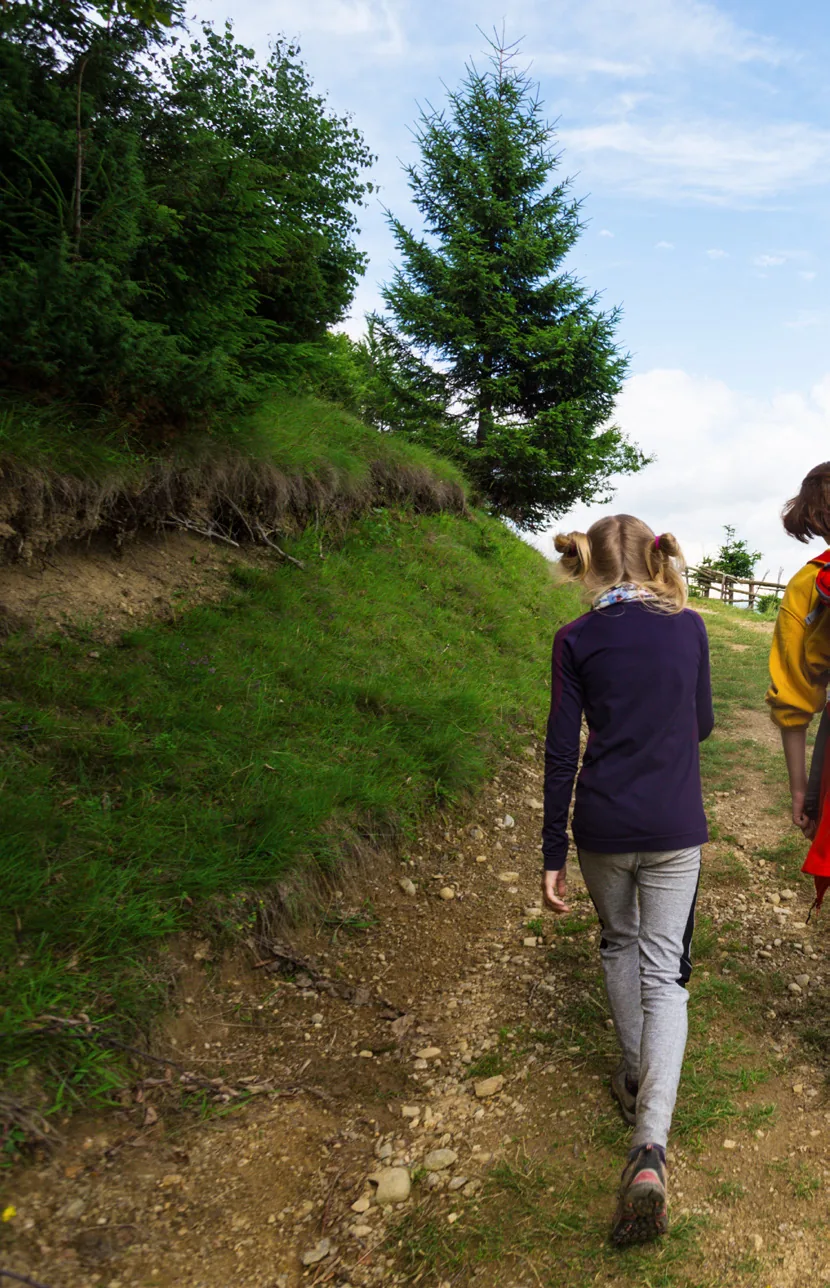
In areas with wolves present, herd protection is now a practical necessity. The most important measures are wolf-proof electric fences, penning herds at night and the use of livestock guardian dogs. For hikers: guardian dogs are working animals, not a petting zoo. If you meet one on an alp, stay calm, avoid eye contact and give the herd a wide berth.
What to do if you meet a wolf
Direct encounters are rare. If you do come across a wolf, stay calm, do not run and withdraw slowly. Shouting loudly or waving your arms can help to scare the animal off. Wolf sightings can be reported to the Office for Nature, Hunting and Fisheries (ANJF) and via the reporting platform of the Federal Office for the Environment (FOEN).
Seeing the wolf without stalking it
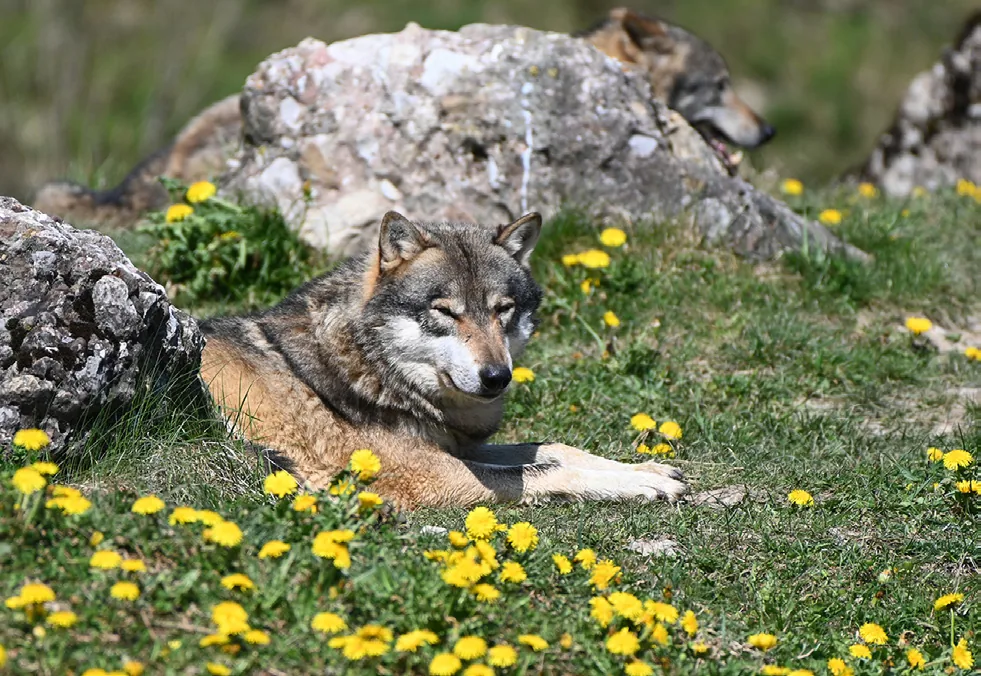
Anyone who wants to watch the wolf up close will find it in the Goldau nature and wildlife park at the foot of the Rossberg. There wolves live in near-natural conditions in a spacious open enclosure. The park is one of the oldest wildlife parks in Switzerland and lets you experience the animal – its quiet gait, its social behaviour – without any of the fairy-tale menace attributed to it.
248 documented events in three years and a spread far beyond the mountain regions: the presence of the wolf in the Canton of Schwyz is no passing phenomenon. How agriculture, nature conservation, hunting and leisure use get along in future will call for well-informed decisions on a reliable basis of data.