The Hölloch
210 kilometres of darkness
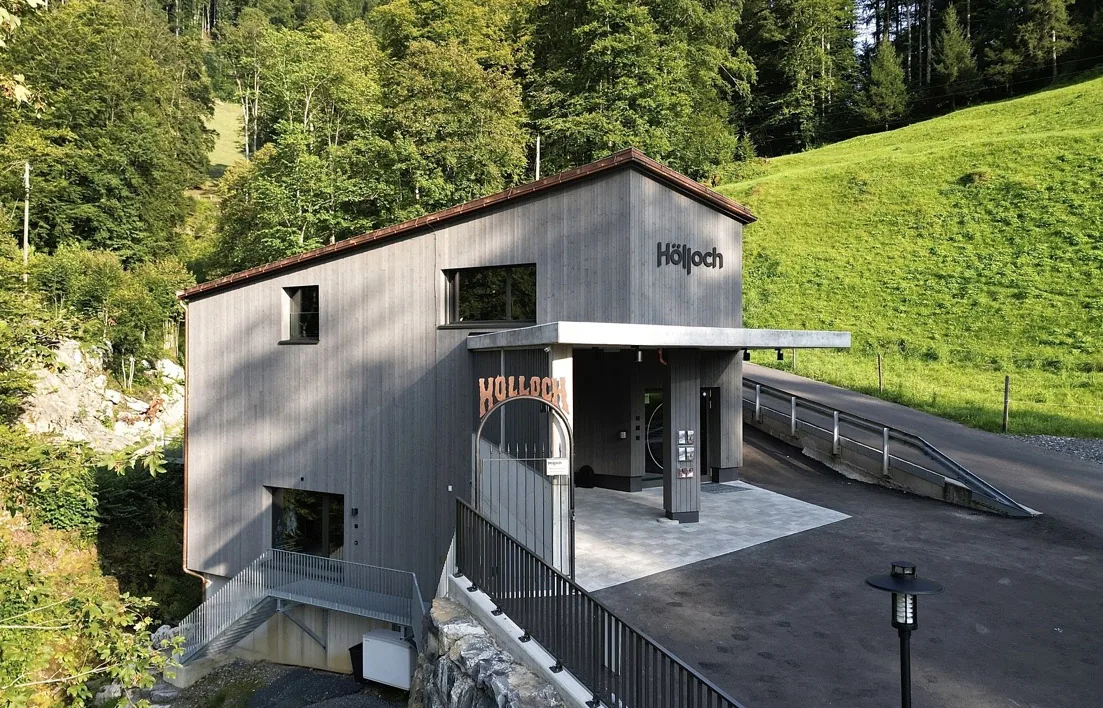
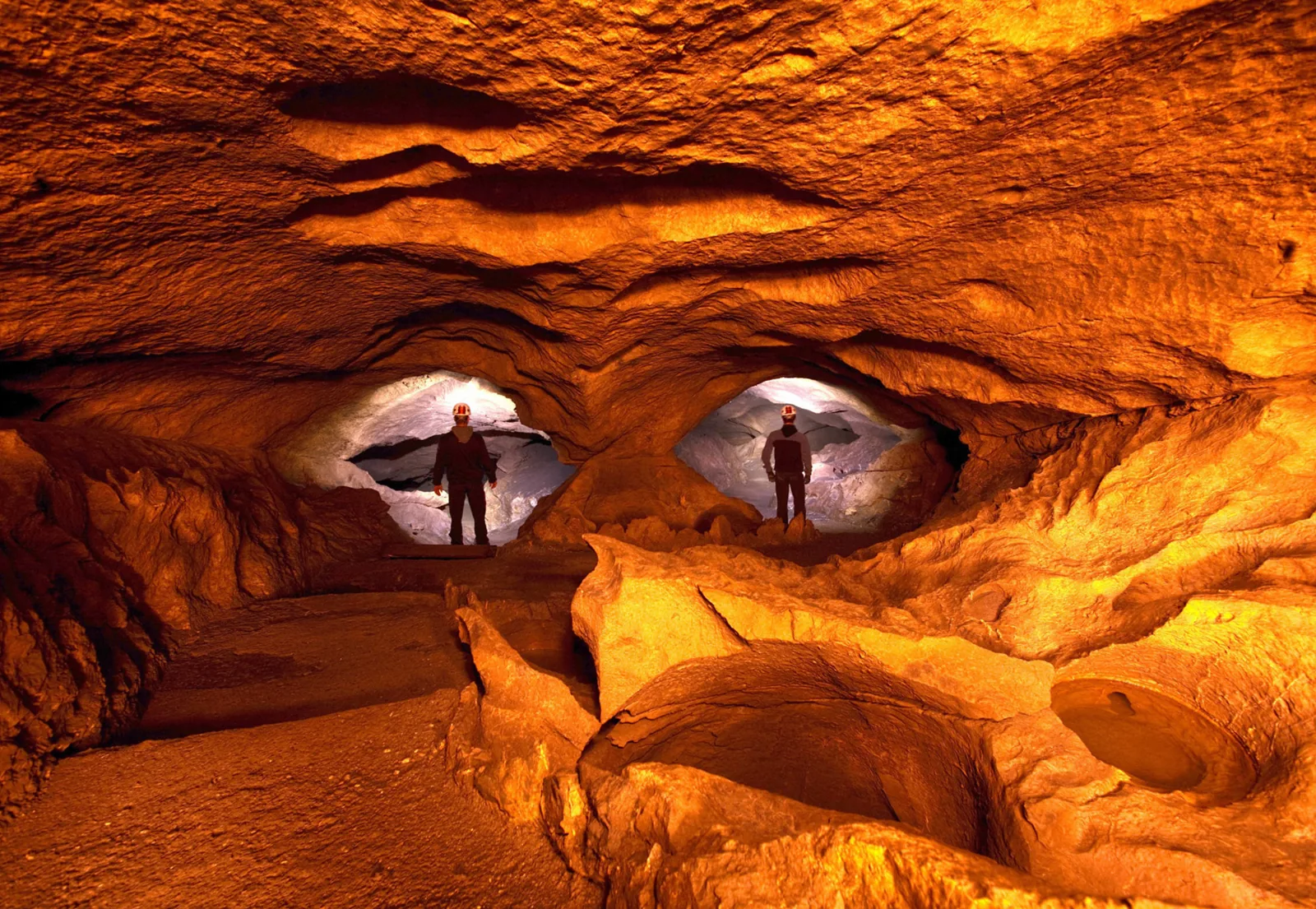
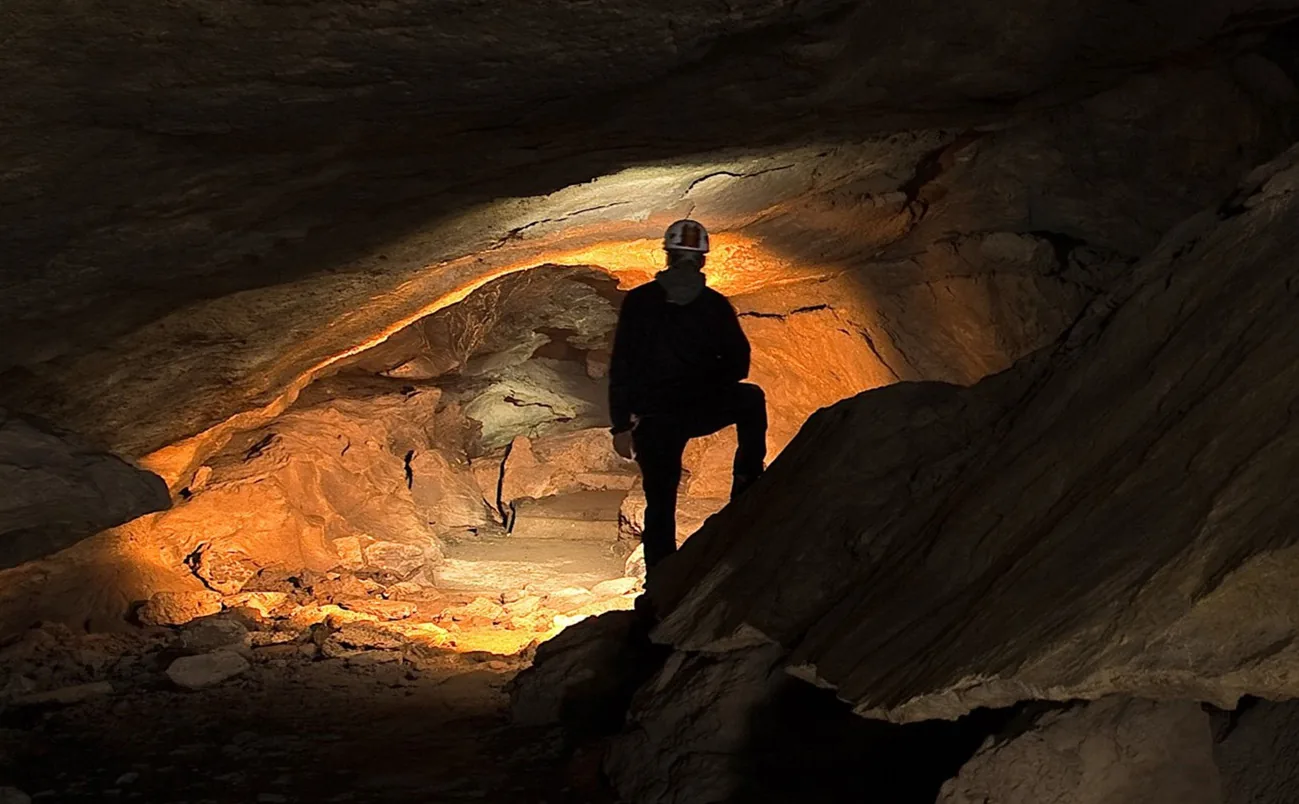
Drive along the road through the Muotatal and you pass an unremarkable opening in the rock. No sign hints at its dimensions. Yet this is where one of the most fascinating natural wonders of Europe begins: the Hölloch, a branching karst labyrinth with more than 210 kilometres of known passages, stretching into the mountain across a height difference of more than 1,000 metres. It is the second-longest cave system in Europe and the eleventh-longest in the world.
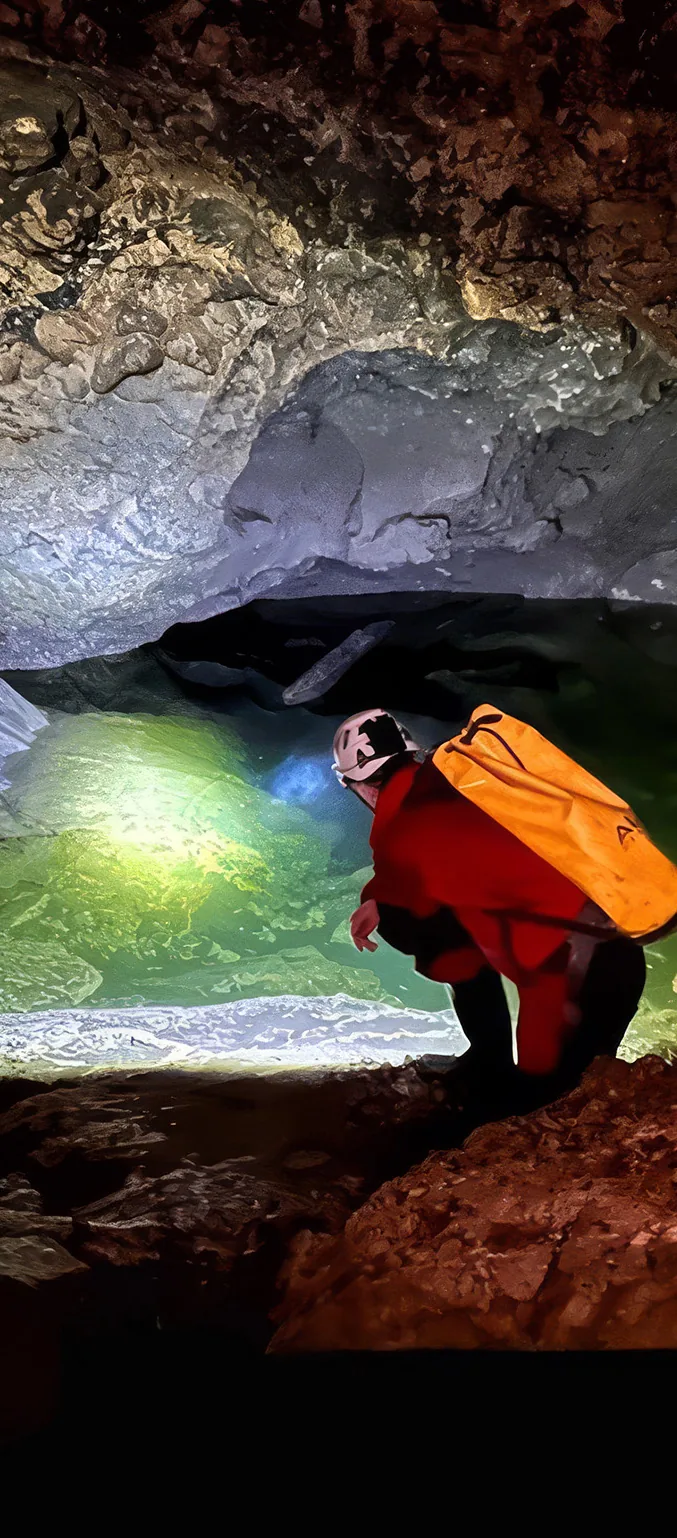
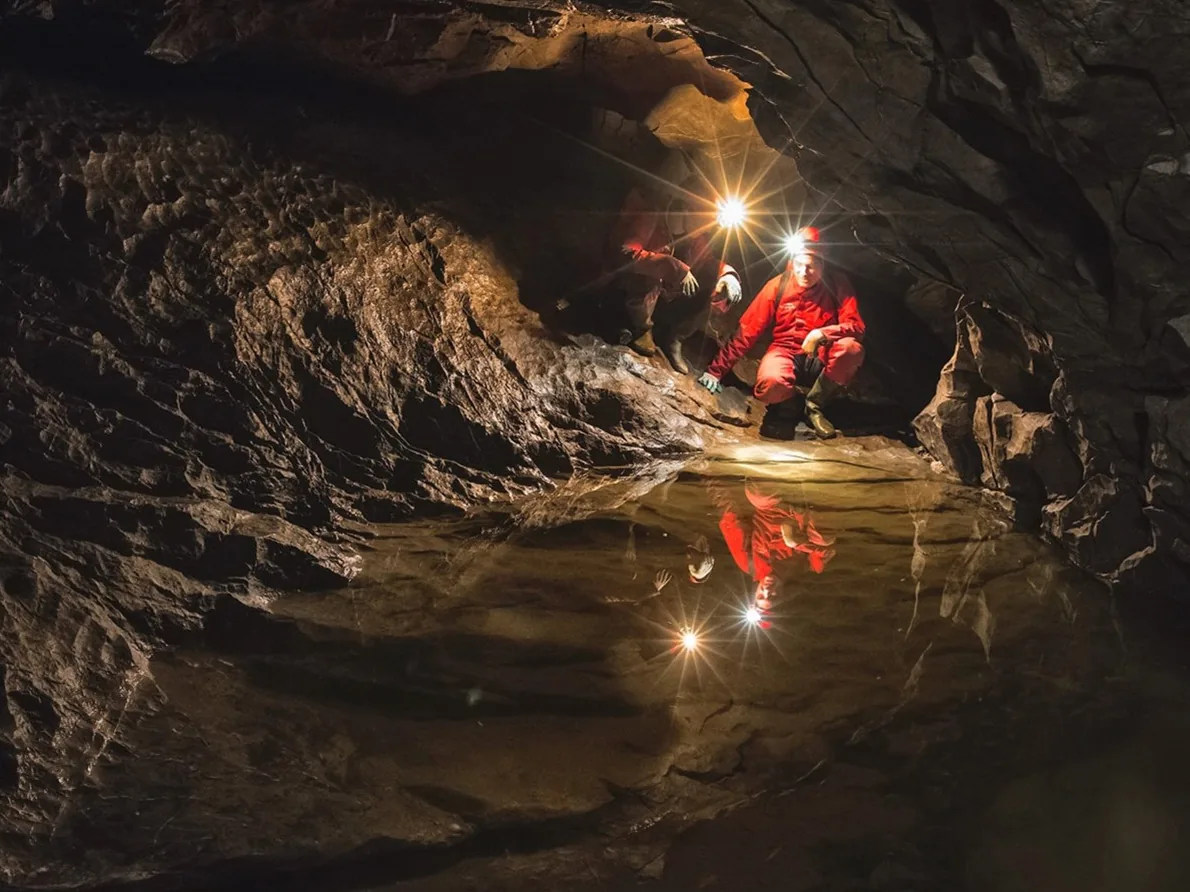
210 kilometres is the distance from Zurich to Bern and back. Except that this route does not run across fields and through villages, but through narrow rock, over underground lakes and along passages that branch, drop, cross and sometimes end in complete silence.
What is in the name?
The name Hölloch sounds menacing, but its origin is probably harmless. The cave researcher Alfred Bögli derived it from the Alemannic word «hääl», meaning slippery or smooth, an apt description of wet rock passages. The local population pronounces the cave «Helloch», which points to the older Swiss German «Hell», a word for a cave or an eerie place.
1875: a farmer with a lantern
It was not a scientist who opened the Hölloch to the world but Alois Ulrich, a mountain farmer from the hamlet of Stalden in the Muotatal, who in 1875 was the first to climb into the cave with a ladder and a lantern. The valley people had always known the entrance, but nobody had ventured inside.
Systematic exploration began in 1889. With every advance the astonishment grew: the cave was bigger than thought, then much bigger, then unimaginably big.
Development, flood, oblivion
From 1905 a Belgian-Swiss company began developing the cave for tourism. The Hölloch had electric lighting before the Muotatal itself did. In summer 1906 the first section opened to visitors, but success failed to materialise. In June 1910 a flood destroyed the entire electrical installation, and the Hölloch sank into a thirty-year slumber.
In 1949 researchers from the Société Suisse de Spéléologie resumed the survey work, and the discoveries came thick and fast. What had been known until then was only a fraction of the actual system.
Ten days trapped
The event that brought the Hölloch international fame was not a triumph but an emergency. In 1952 a sudden inrush of water surprised the cave pioneer Alfred Bögli and three fellow researchers deep inside. For ten days the men were trapped before they finally managed to free themselves, to be met at the surface by a media frenzy they had not expected.
A system still not fully surveyed
In 2012 the known network of passages passed the 200-kilometre mark. Today it stands at 210.2 kilometres (as of November 2022), with a height difference of 1,033 metres. Researchers are still surveying new sections. Particularly tantalising is the possible connection to the neighbouring Silberen system: if it were proven, the Hölloch would grow by 38 kilometres at a stroke.
Experiencing the Hölloch
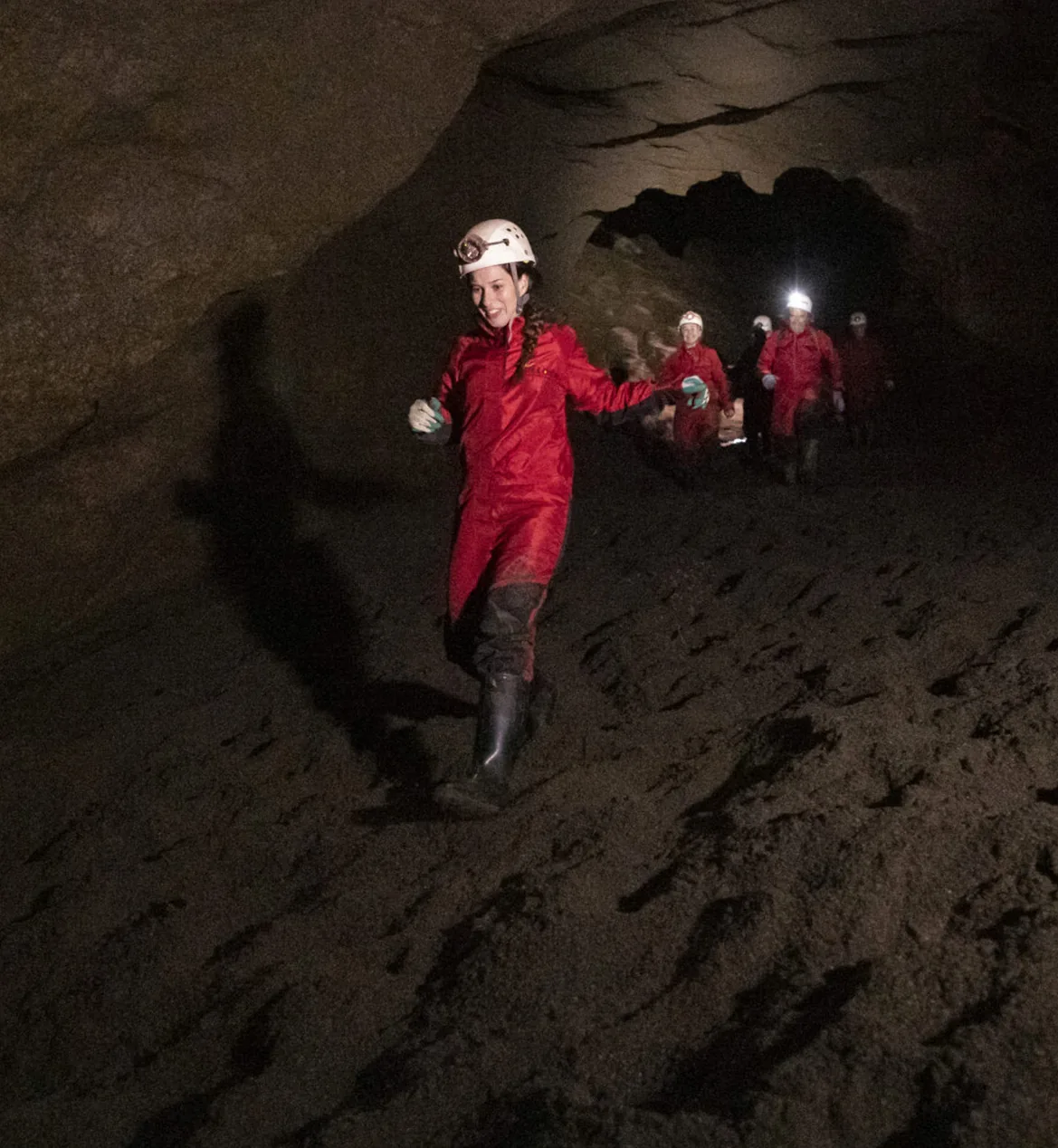
Guided tours have been offered since 1995, from the one-hour beginners' tour to the multi-day expedition with an overnight stay in an underground bivouac. The entrance is in Muotathal, a few kilometres from Schwyz, reachable by public bus from Schwyz or Brunnen. Advance booking is compulsory; for safety reasons spontaneous visits inside are not possible.
210 kilometres of passages, a history of more than 150 years and research that is far from complete. Anywhere else the Hölloch would be a national showpiece. In the Muotatal it is simply the Hölloch: a hole in the mountain that is bigger than the mountain itself.