Glattalp: the coldest place in Switzerland and how to visit it
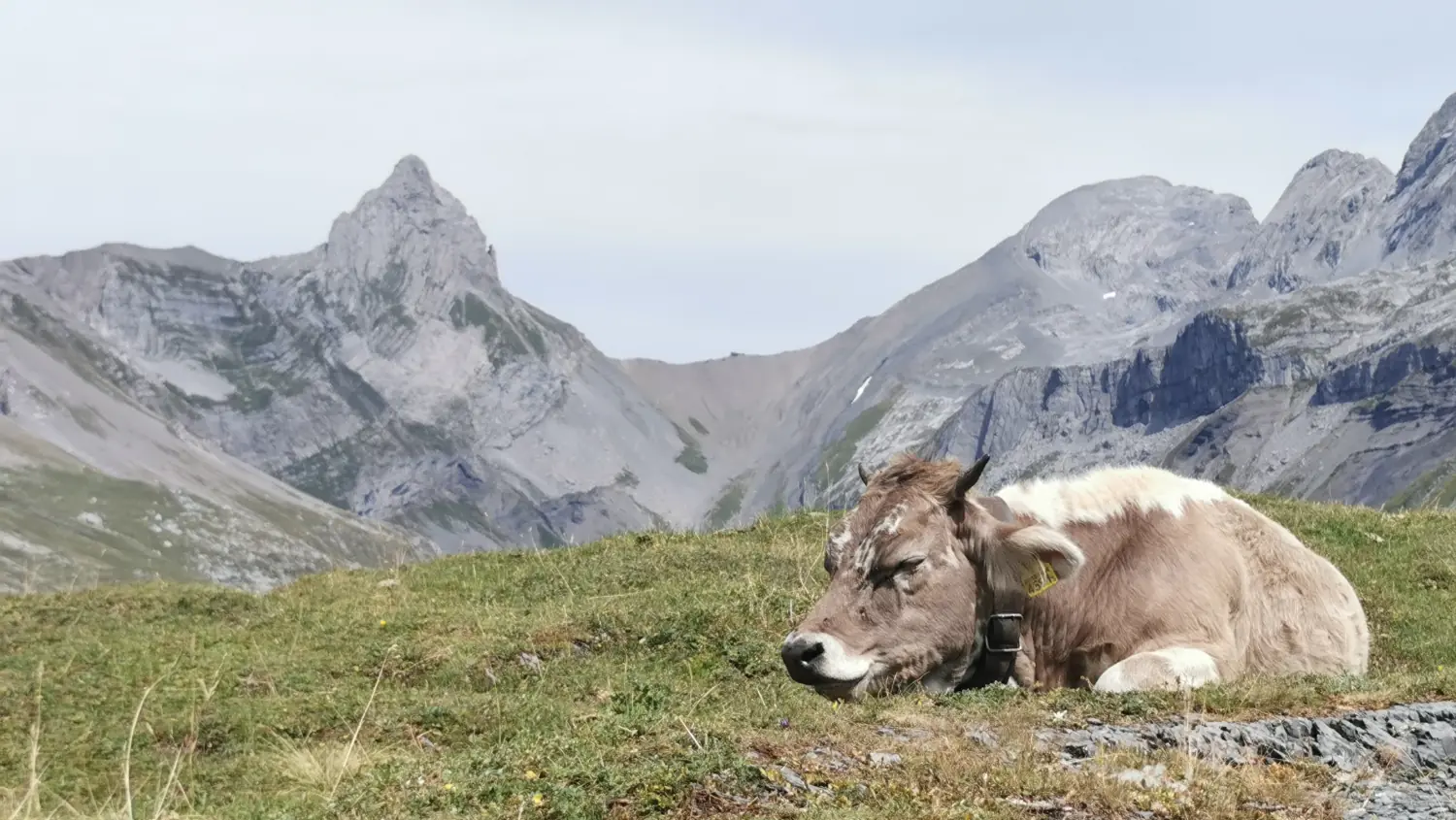
High above the Bisistal, at around 1850 metres, lies a wide karst basin that holds a national record nobody envies. On a February night in 1991 an unofficial measurement on the Glattalp showed about −52.5 °C. That is the lowest temperature ever measured in Switzerland. In summer the same basin shows a completely different side. Then the mountain lake glitters in the sun, marmots whistle among the rocks and the walking is as quiet as you now rarely find in the much-visited Alps. Thanks to a small cable car the plateau is surprisingly easy to reach.
Why does the Glattalp get so cold?
The Glattalp is a textbook cold-air lake. The plain forms a closed basin surrounded by higher ridges. On clear, windless winter nights heavy cold air flows down from the slopes and collects on the floor of the basin, because it cannot drain away anywhere. At the same time the snow cover radiates its remaining warmth into the sky. The readings are therefore regularly below those of well-known cold spots such as La Brévine. That the −52.5 °C still counts only as an unofficial record is because the station is not part of the official measuring network of MeteoSwiss. That changes little about the matter. Nowhere in Switzerland gets colder than here. Even in Europe outside Scandinavia there is hardly a place with such low temperatures.
In summer the basin works the other way round and holds the warmth. On July afternoons it is often warm enough by the lake for a T-shirt, while the record plaque by the station tells of Siberian cold.
The Glattalp in summer
From June to October the Glattalp is walking country that is easy to reach even without much mountain experience. The essentials at a glance:
- Getting up: the small cable car from Sahli in the Bisistal, the southern side valley of the Muotatal, takes you onto the plateau in a few minutes. It is a classic little Swiss cableway with a tiny cabin and a wide view. Check the operating times before you travel.
- Around the Glattalpsee: the easy walk around the lake is the best-known tour up here. The turquoise water lies before pale karst, framed by the walls of the Ortstock and the Höch Turm. There are many spots for a picnic along the shore. Anyone who prefers a table gets a rösti at the mountain inn by the lake.
- Further for the practised: the plateau is the starting point for bigger tours towards the Charetalp, across to Braunwald in the Glarus region, or for our long traverse from Saliboden through the inner valley. All the details: From Saliboden over the Pfaffenkreuz to the Pragelpass.
- Wildlife: marmots are to be seen almost everywhere, and on the ridges ibex and chamois as well. In June the gentians flower in the karst flora.
The Glattalp is important for the valley too, by the way. Its water feeds the power stations in the Bisistal. It is to them that the cable car owes its existence at all. As so often in the Swiss mountains, an installation built for the energy supply today also benefits walkers.
The Glattalp in winter
In winter access is limited. The conditions have to be taken seriously; after all, nowhere in Switzerland gets as cold as here. Ski tourers and snowshoe walkers come on days with stable conditions. Everyone else is better off visiting the Glattalp in summer and hearing about the cold records over a coffee down in the valley. Anyone who does go up in winter should seek advice from people who know the area, read the avalanche bulletin and take full equipment.
Getting there
Bus 501 takes you from Schwyz through the Muotatal and on into the Bisistal to the valley station Sahli. Check the seasonal bus timetable for this. From there the cable car carries you onto the plateau. By car you drive along the Bisistal road to near the valley station, where the road ends. On fine weekends parking is tight, because many day visitors are out at the same time. On such days, come early.
Frequently asked questions
What is the lowest temperature ever measured in Switzerland? About −52.5 degrees were measured on the Glattalp in February 1991. Because the station is not part of the official network, the value counts as unofficial. No other place in Switzerland, however, has reached such a low figure.
Why does it get so cold on the Glattalp? The Glattalp is a closed high basin. On clear winter nights heavy cold air collects there and cannot drain away. That creates a natural cold-air lake.
Can you visit the Glattalp? Yes, in summer it is easily done with the small cable car from Sahli in the Bisistal. Up top the easy walk around the lake and a mountain inn await you.
Is the Glattalp cold in summer too? No, on summer days it is often pleasantly warm by the lake. The extreme cold occurs on clear winter nights.
How fit do I have to be? Almost everyone manages the walk around the lake. The onward tours towards the Charetalp or Braunwald, by contrast, are proper mountain hikes.