The history of the Canton of Schwyz
From free farmers to modern Switzerland
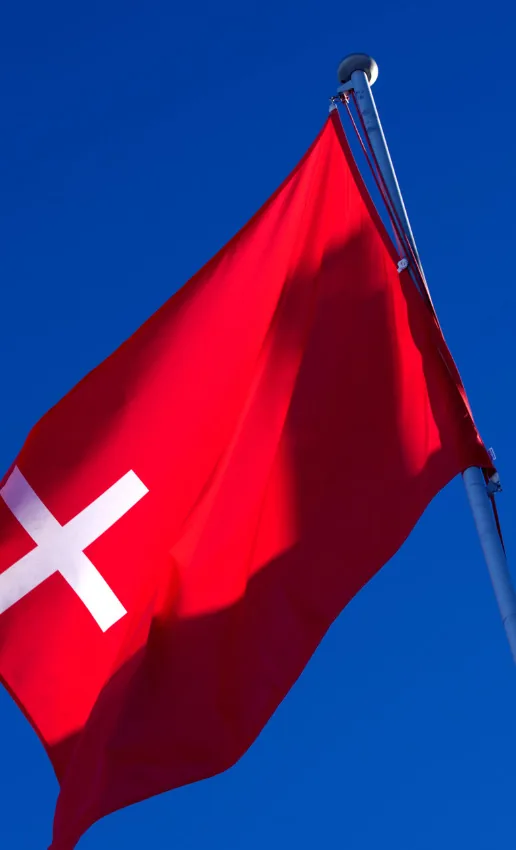
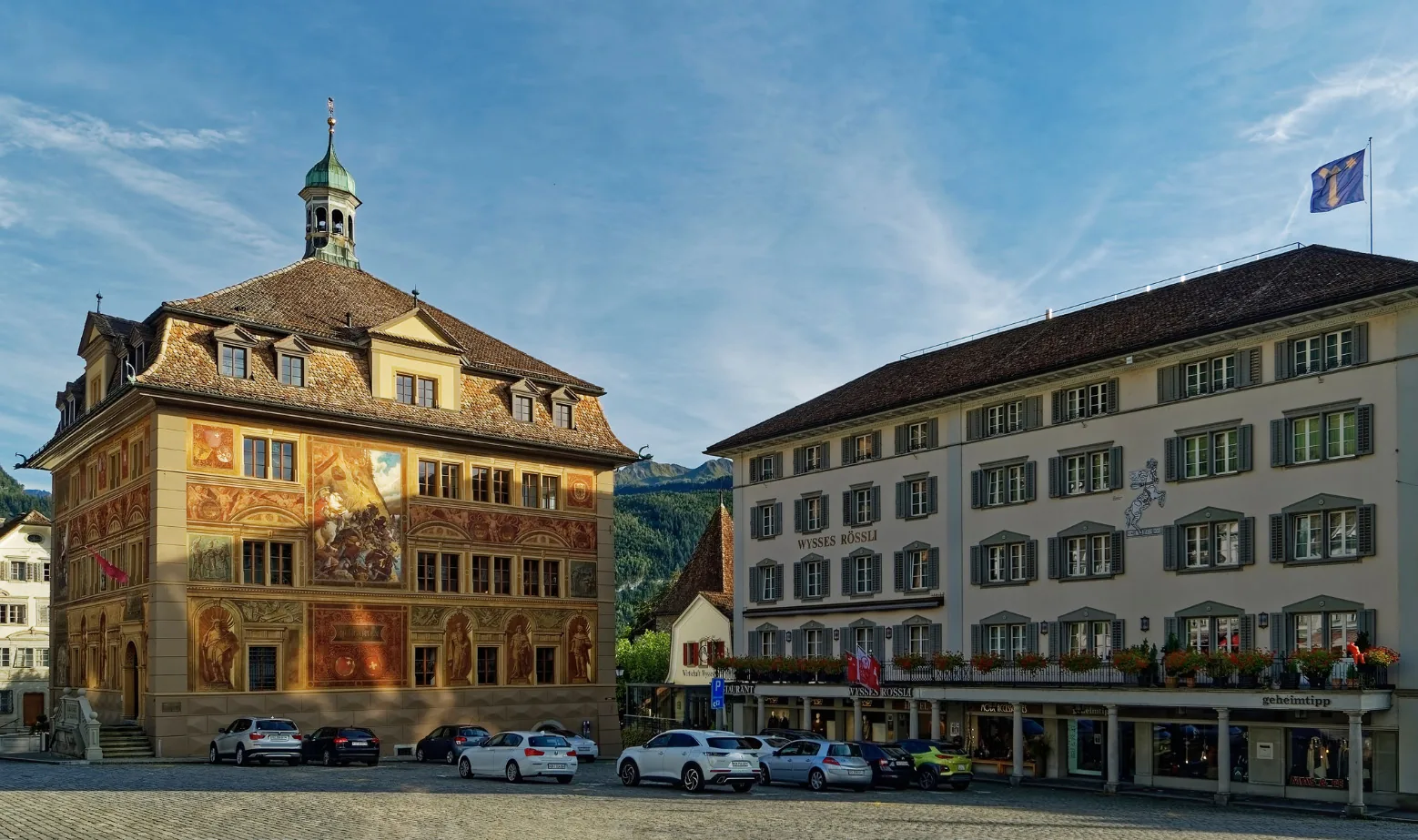
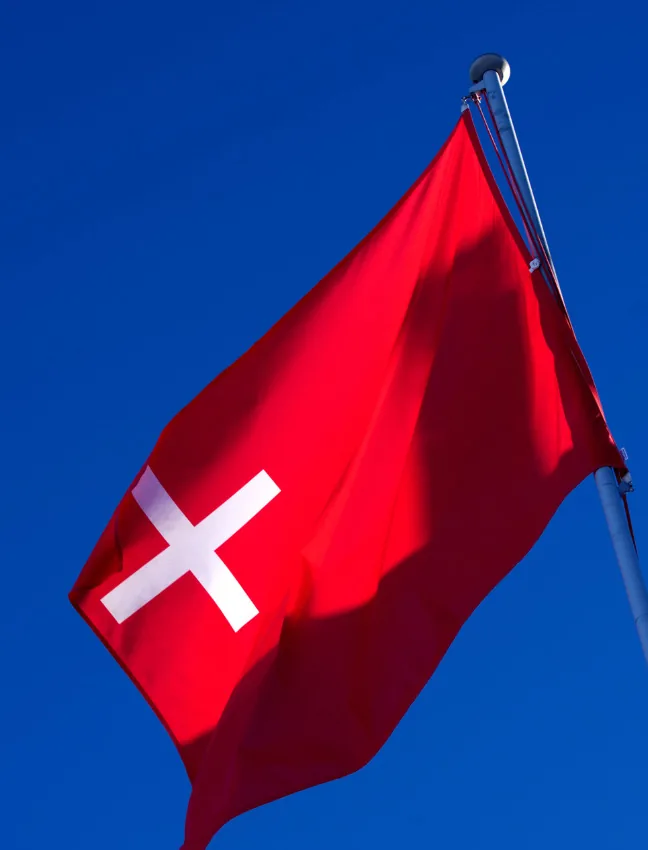
The Canton of Schwyz is more than just a patch of earth between Lake Lucerne and the Glarus Alps. It is the cradle of the Swiss Confederation and gave the whole country its name. The history of this canton is a history of the urge for freedom, strategic skill and the unbending will of a mountain people to shape their own destiny.
The beginnings: monasteries and free farmers (8th–13th centuries)
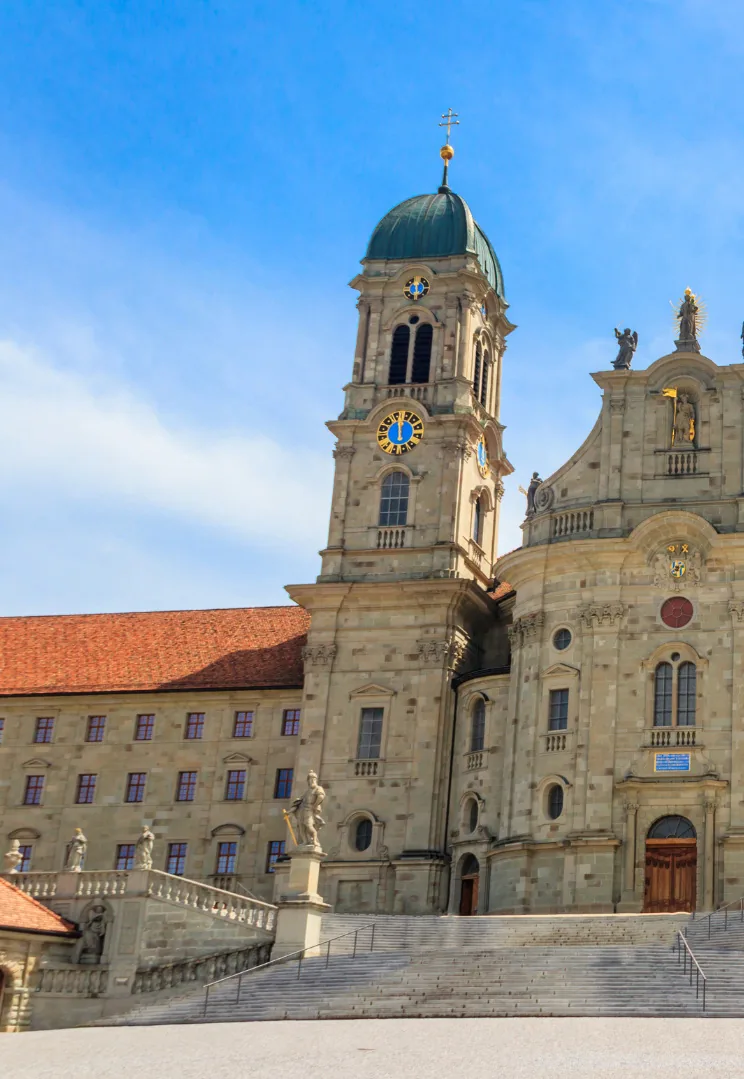
The first reliable traces of human settlement go back to the Bronze Age. The history proper begins in the early Middle Ages, when the area lay under the influence of powerful monasteries. Einsiedeln Abbey, founded in 934, played a central role. In the eleventh and twelfth centuries the farmers of Schwyz enjoyed extensive freedom, answering directly to the Emperor. This imperial immediacy was to become the foundation of the later Confederation.
The Federal Charter: the birth of Switzerland (1291)
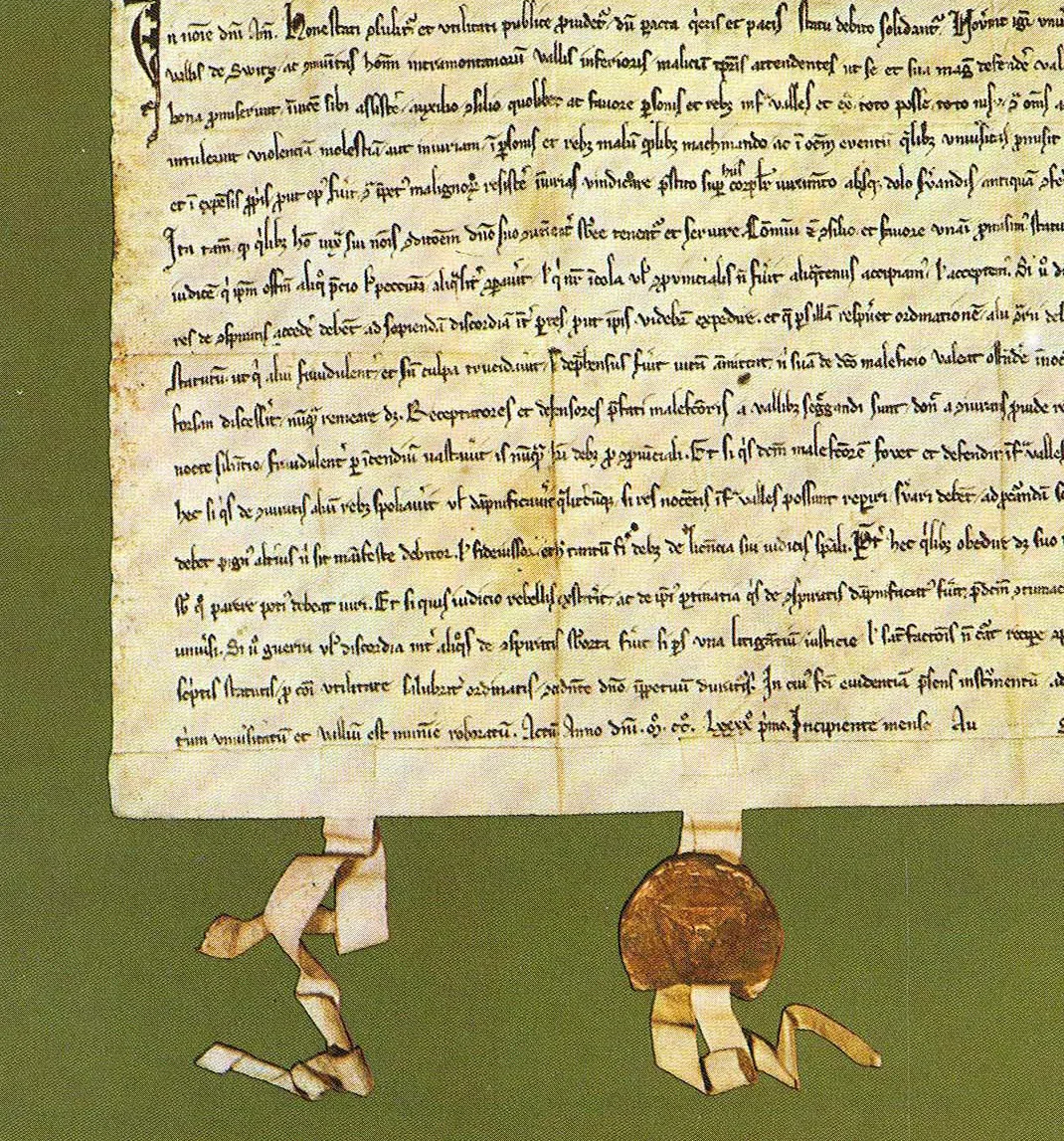
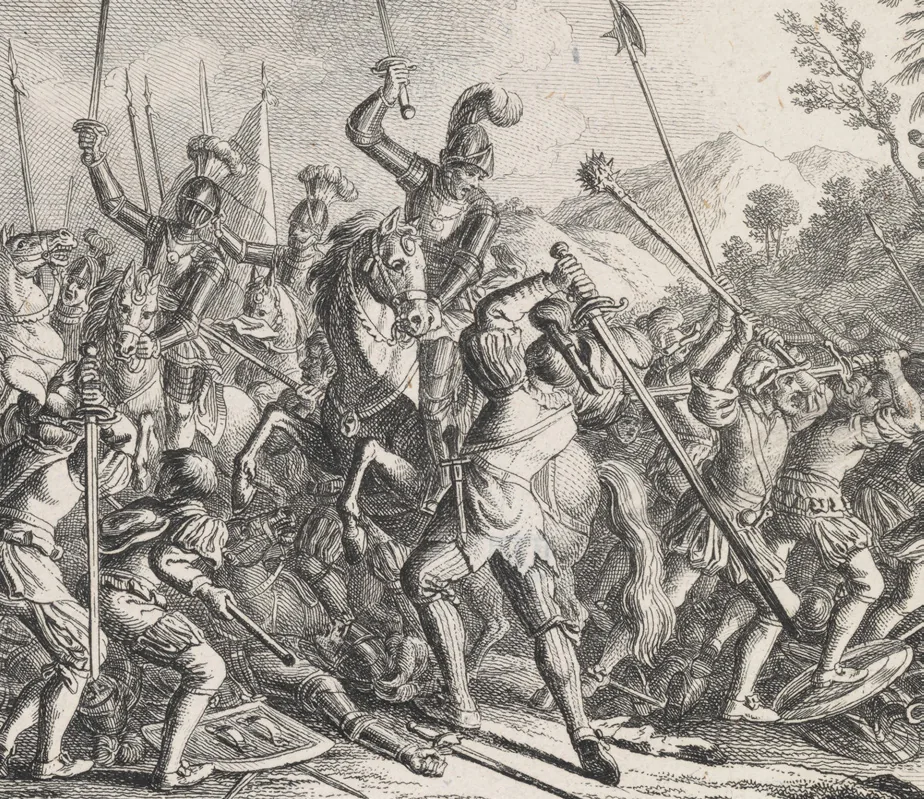
On 1 August 1291, the date that is now Switzerland's national day, Schwyz, Uri and Unterwalden joined together in a perpetual alliance. The famous Federal Charter is kept today in the Museum of the Swiss Charters in Schwyz. The Battle of Morgarten in 1315, in which a small force defeated a Habsburg army of knights, became the founding myth and put Schwyz firmly on the political map of Europe.
Expansion and the rise to power (14th–16th centuries)
After the victory at Morgarten, the confidence of the people of Schwyz grew. The canton expanded and acquired new territories, among them the March, Einsiedeln, Küssnacht and parts of what are now the cantons of Glarus and St Gallen. Mercenary service in foreign armies became an important branch of the economy. The Landsgemeinde, the assembly of all men fit to bear arms, formed the democratic heart of Schwyz politics.
Reformation and Counter-Reformation (16th–17th centuries)
While the Reformation swept through large parts of Switzerland, Schwyz remained demonstratively Catholic. This confessional loyalty shaped the history of the canton for centuries. Schwyz became a centre of the Counter-Reformation and maintained close ties with Spain, France and the Papal States, which also deepened the divisions within the Confederation.
The fall of the old order (1798–1815)
The French Revolution and the invasion of French troops in 1798 marked a deep rupture. The Helvetic Republic abolished the old order and stripped the Landsgemeinde of its power. Napoleon's Act of Mediation of 1803 and the Federal Treaty of 1815 brought a partial restoration; Schwyz regained its internal autonomy but remained part of a more complex confederal structure.
The Sonderbund War and the federal state (1847–1848)
The tensions between the conservative Catholic and the liberal Protestant cantons escalated in the Sonderbund War of 1847. Schwyz belonged to the Sonderbund, whose defeat after only 27 days was decisive. In 1848 the new Federal Constitution came into force, and the Landsgemeinde was replaced by a parliament, a symbolic farewell to the old order.
Industrialisation and the modern era
Industrialisation reached Schwyz later and less intensively than other cantons; the canton remained predominantly agricultural. Tourism around Lake Lucerne and in Einsiedeln became an important branch of the economy. In 1972 Schwyz was one of the last cantons to introduce women's suffrage.
Schwyz today: tradition and progress
Today the Canton of Schwyz is a prosperous part of modern Switzerland with more than 167,000 inhabitants. Low tax rates have attracted many companies and private individuals; at the same time the canton cherishes its traditions. The history of the Canton of Schwyz is the history of Switzerland in miniature, a struggle for freedom and self-determination that gave a whole nation not only its name but also the values that shape its self-image to this day: freedom, federalism and independence.