Mineralbad & Spa Rigi Kaltbad: what to know before you go
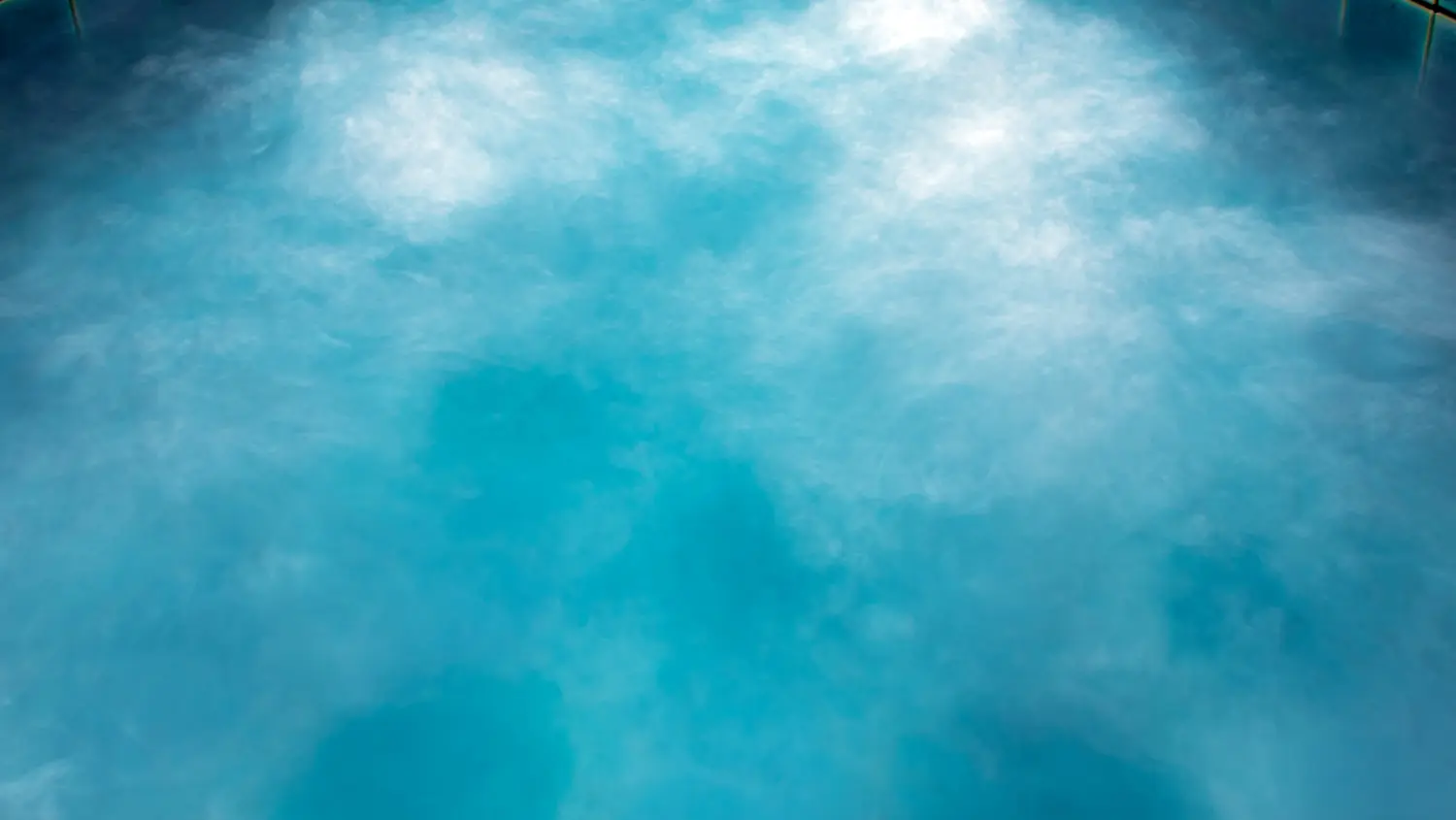
Halfway up the Queen of the Mountains, at 1,433 m, you swim in warm mineral water while far below Lake Lucerne glitters. The Mineralbad & Spa Rigi Kaltbad was designed by the Ticino architect Mario Botta and opened in 2012. It continues a bathing tradition that brought pilgrims and spa guests up the mountain for centuries. The name «Kaltbad» recalls the cold spring where it all began. Today the water is pleasantly warm. Many guests combine a day on the Rigi with two hours in Botta's pools, whose design picks up a crystal motif. An overview of the whole mountain is given in post Rigi: The Guide to the Queen of the Mountains.
What to expect
- Indoor mineral bath beneath Botta's characteristic geometry, with warm water, massage jets and daylight falling in through the architecture.
- Outdoor pool with a wide view: steam rises into the mountain air, and behind it the lake and the Alps seem to line up right at the edge of the pool. In winter, bathing outdoors between walls of snow is the main reason many guests come.
- Spa area (saunas and quiet zones; as a rule for adults, check the current age rules) as well as treatments you can book.
- The village spring on which the bathing tradition rests is only a few steps away, with a historic chapel beside it. The detour takes barely two minutes and shows you the place that gave Kaltbad its name.
Allow around two hours for the baths. Towels and bathrobes can be hired on site. It is quietest on weekday mornings. Winter days with high fog in the valley are particularly beautiful: the Rigi then lies in the sun above the sea of fog while it is grey and cold in the lowlands. Whether the Rigi rises out of the fog on such a day is shown on the weather page for Rigi Kulm.
How to combine the baths with your Rigi day
Rigi Kaltbad lies in the middle of the network of Rigi railways and footpaths, so the baths fit into almost any outing:
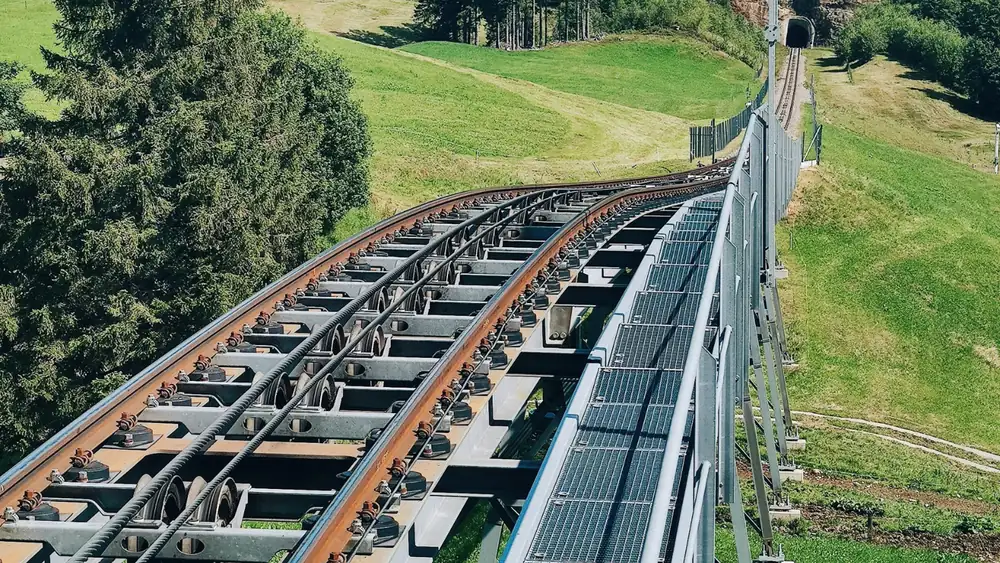
- The classic: travel by boat or train to Vitznau and take the cogwheel railway up to Rigi Kulm, where you enjoy the summit panorama. Then walk or ride down to Kaltbad. The descent takes 45 to 60 minutes and is easy going; it is described in post Hikes on the Rigi. After bathing, the cable car to Weggis brings you down, and from there you take the boat back.
- The winter version: ride up from Arth-Goldau by train, do a winter walk on the panorama trail Kaltbad–Scheidegg and then warm up in the outdoor pool as the light turns golden. More about the cold season on the mountain in post The Rigi in winter.
- The comfortable version: float up from Weggis to Kaltbad by cable car, go bathing, have lunch and ride down again. This outing demands nothing athletically and is restful all the same.
How best to get to the Rigi is set out in post Getting to the Rigi.
Tickets: admission to the baths is not included in the railway tickets. There are, however, regular offers that combine railway and baths, and they are worth a look. With a Swiss Travel Pass or GA the journey is free, but the baths are not, so budget for the entrance fee. What the passes do cover is explained in post Swiss Travel Pass, GA and half-fare card in the Schwyz region. Treatments are best booked in advance. For the pools no reservation is normally needed, except on very busy afternoons during the holidays.
A little history
The spring at Kaltbad has drawn the faithful and the sick since the Middle Ages. In the Belle Époque, grand hotels stood on the terrace. Europe's high society came for the mountain air to exactly the spot where the cable car arrives today. Botta's baths deliberately continue that story, with contemporary architecture in a place where people have bathed for 600 years. That is why the word «spa» does not feel out of place here.
FAQ
Where are the Rigi mineral baths?
The baths are at Rigi Kaltbad at 1,433 metres, right by the station of the cable car from Weggis and on the railway line from Vitznau to the Kulm.
Who designed the baths?
They were designed by the architect Mario Botta and opened in 2012 as a contemporary continuation of the village's centuries-old bathing tradition.
Can you visit the baths in winter?
Yes, the baths are open all year. In winter, bathing in the outdoor pool above the sea of fog is particularly popular.
How much time should I allow?
Around two hours are enough for the baths themselves. Add the summit and the walk down and it becomes half a day.
Are the baths included in the Swiss Travel Pass?
No. The pass covers the journey by train, cable car and boat, but not admission to the baths.
Are the baths suitable for children?
The pools are in principle open to families as well. Age limits apply to the sauna and spa area, so check the current rules before booking.